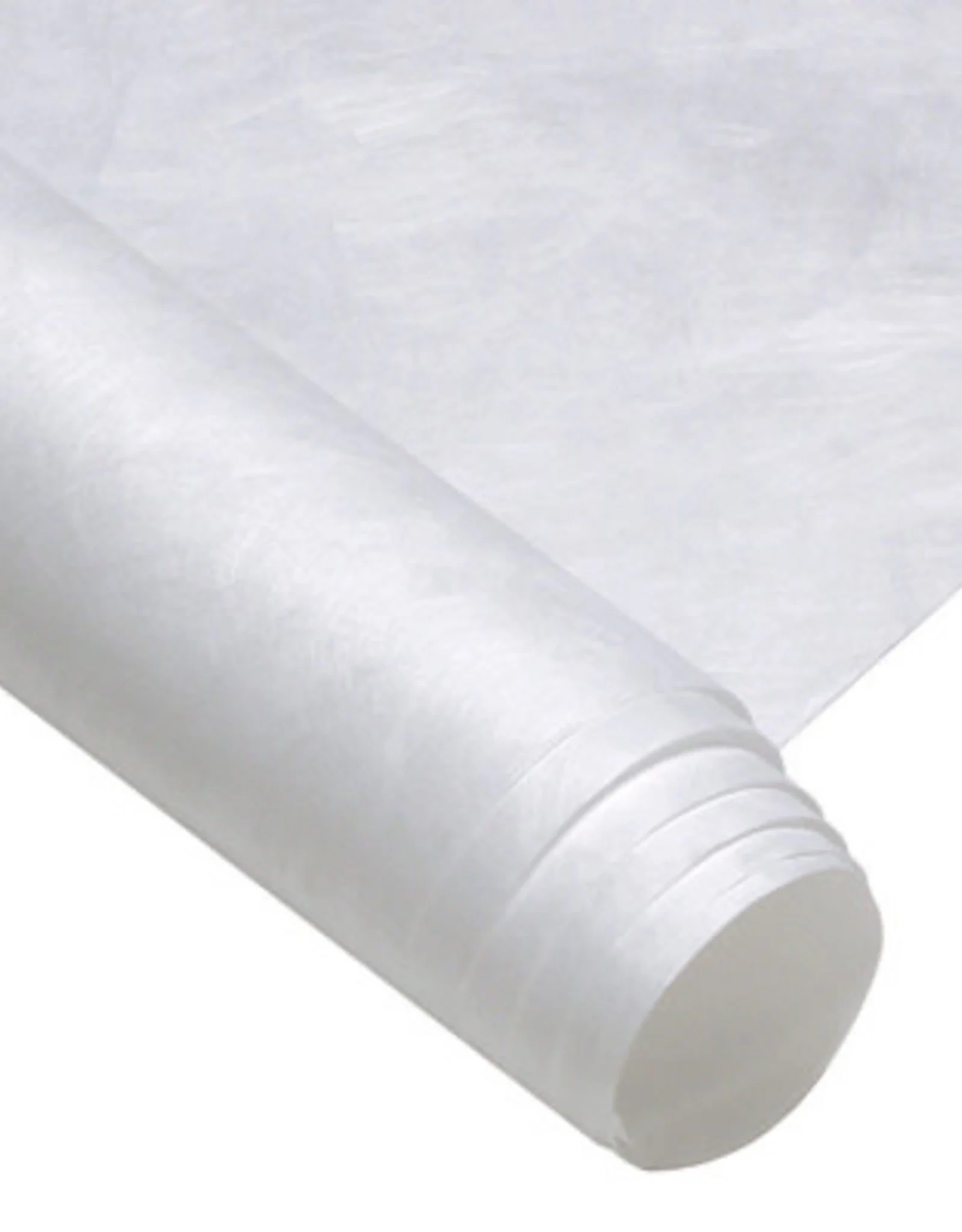
Chinese Tyvek vs DuPont Tyvek: A Grade-by-Grade Performance & Specification Guide (2026)
By Technical Team
Chinese Tyvek is no longer a single generic category. Different mills, grades and surface treatments perform very differently, and most sourcing problems start when a buyer compares a Chinese grade against the wrong DuPont reference. This guide is written for that decision: how to match a Chinese Tyvek grade to a DuPont equivalent, which performance indicators to verify, and what to confirm before moving from samples to bulk orders.
For the wider picture of how China-origin flash-spun supply has changed global procurement, see our companion analysis on made-in-China Tyvek supply chains. This article stays focused on grade selection and specification matching.
1. Grade Matching: Chinese Equivalents for 1025D to 1082D
The most common request from converters is a Chinese Tyvek grade that matches a familiar DuPont reference. Premium Chinese manufacturers now publish grade charts that map to widely used DuPont styles, including 1025D, 1056D, 1057D, 1070D, 1073D and 1082D.
Key performance indicators to compare side by side:
A grade chart is a starting point, not a guarantee. Always confirm against the actual substrate you will convert.
2. How to Validate Batch Consistency Before Bulk Ordering
Performance inconsistency is the main reason buyers abandon an alternative grade. The fix is a validation sequence rather than a leap of faith.
Ask suppliers for batch-level test reports rather than one generic certificate. A supplier that can show consistent data across batches is usually the safer long-term partner.
3. Customization Options Beyond Standard Imported Grades
Standard imported grades come in fixed specifications and a limited set of surface finishes. Chinese suppliers often offer more flexibility on:
Flexible minimum order quantities also let medical factories, packaging converters, construction suppliers and consumer brands test a grade before scaling.
4. Matching Grades to Applications
Grade selection should follow the end use, not the other way round:
Conclusion
Choosing Chinese Tyvek is a specification decision, not only a price decision. Start from the DuPont grade you already trust, match the closest Chinese equivalent, validate across multiple batches, and only then negotiate volume. Buyers who follow that sequence usually get the cost benefit without inheriting the quality risk.
If you are sourcing a grade equivalent to DuPont 1025D, 1056D, 1057D, 1070D, 1073D or 1082D, our team can share grade charts, batch test data and trial roll options for your application.